



Introduction:
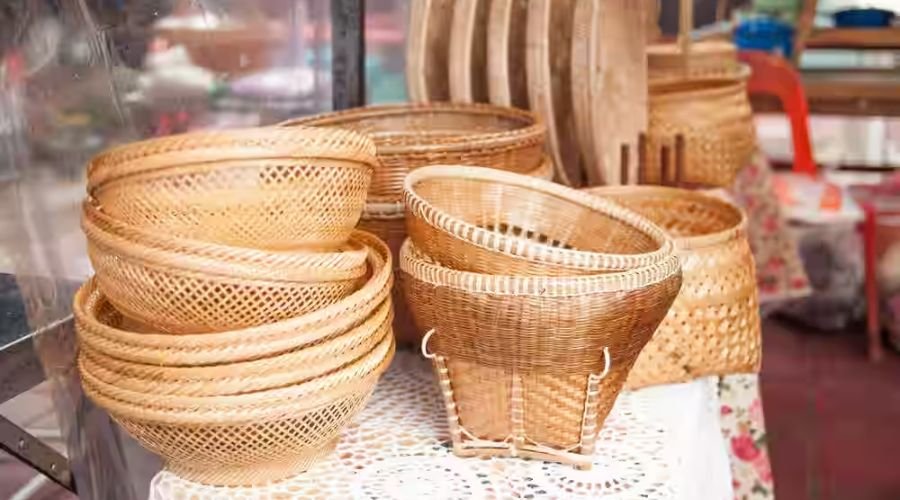
Bamboo crafts are important for the lives of Sikkimese people. It is the rich cultural craft heritage of Sikkim that is used to make many items that people use in daily life. The artisans make different kinds of crafts, such as furniture, hats, baskets, and beautiful decorative wall paintings. For Sikkimese people Bamboo represents traditional artistry. It is also a sustainable, social, and economic part of their life.
History
Bamboo is found throughout India, and have more than 120 species. With time, Lepcha community settled down in Sikkim. The lower mountain area in Sikkim is suitable for Bamboo. Not only are different varieties of bamboo available, but canes are also available. It is very well known that the Lepcha live in harmony surrounded by beautiful nature and believe in preserving it. Their livelihood also depended on it. It is a very Important resource, and symbolize the bond between the Lepcha community. They passed this tradition from generation to generation.
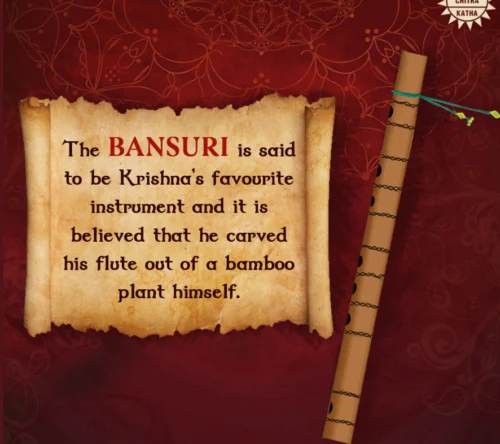
Since ancient times bamboo is well known as Lord Krishna himself is believed to be connected as it is believed that his flute is made of bamboo. Mentioning about bamboo can be seen in introduction part of the Mahabharata. Buddhism also has a story related to it. It is also said that Bamboo seeds were taken by a Buddhist monk on the way to Japan.
Communities Behind the Craft
Not only Lepcha but for other indigenous communities in Sikkim like Bhutia and Limboo, etc., bamboo still play very crucial role in their daily life.
Bamboo crafts of Lepcha
Lepchas are considered the younger brother of bamboo. Varieties of bamboo are found throughout Sikkim. Size, shapes, and even the weaving style and pattern also have different styles. Not only the crafts but also houses and different structures, such as water transportation. They use bamboo in every probable way. From the Household items like baskets, bottles to the cookware and musical instruments like flutes agricultural products, they try almost everything to make from bamboo.
Bhutia Community
Bhutia community also make everyday items with bamboo as it is also an integral part for them as well, for example, basket which is also called Doko or Radong. The founder of Lagstal Design Studio, Chimib Ongmu Bhutia, was also honored the prestigious Lokmata Ahilyabai Holkar Manila Award in Delhi. The studio is the venture that specialized in making sustainable products based on bamboo.

Limboo Community
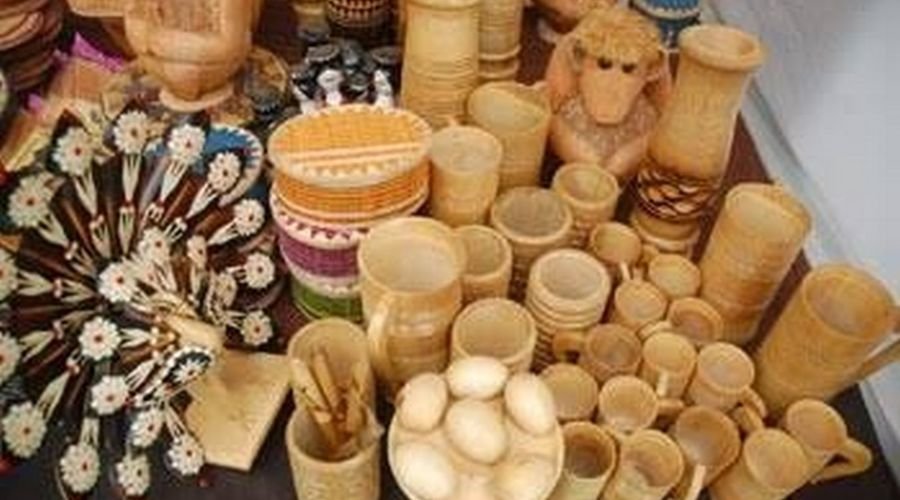
For the Limboo culture, Bamboo is very important. For social gatherings of the Limboo community, beer bamboo mugs called Tongba are used. Bamboo flutes are used in festivals. For making traditional looms for weaving, such as the Thaka. The bamboo artisan like Mr. Kul Bahadur Limboo, who practice and helping preserving bamboo crafts is trying his best to pass this tradition from generation to generation
From Forest to Home
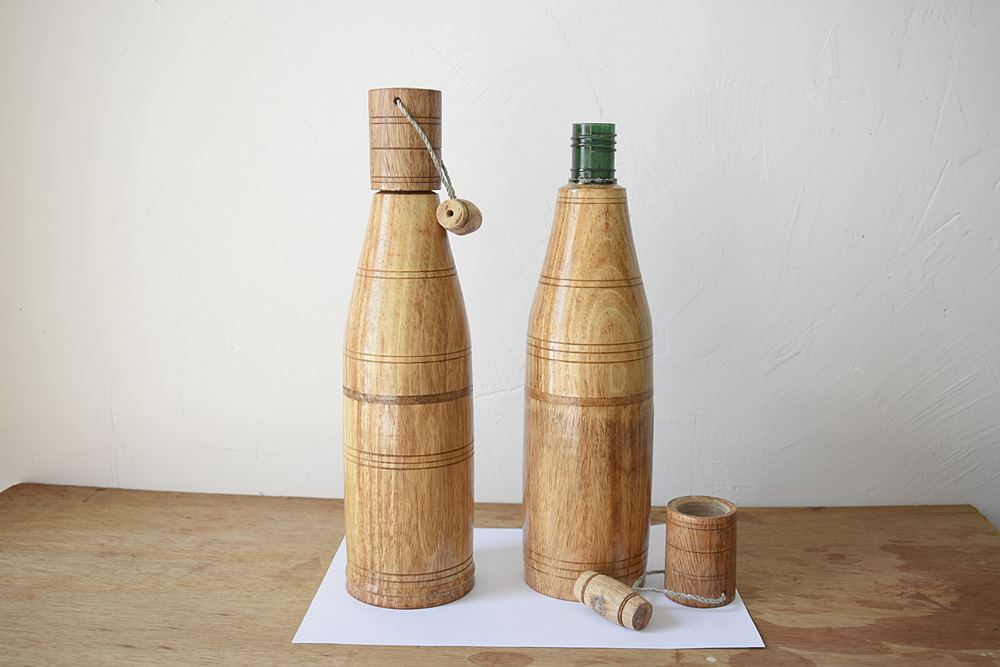
The use of bamboo in daily life is very popular, items like small stools to sit, called moorah, baskets, beautiful decorative flowers, beer mugs, especially for social gatherings, and bamboo water bottles are now days are very trendy in markets. For making cultural objects, music instruments such as flutes, ritual or ceremonial items. For agricultural tools, bamboo pipes are used for irrigation in the field. Bamboo shoots are eaten as vegetables in food. For construction purposes, it is used in the roof of the house; even Bamboo houses are very traditional and popular. They use bamboo for cooking food, like cookware.
Bamboo in Rituals and Festivals
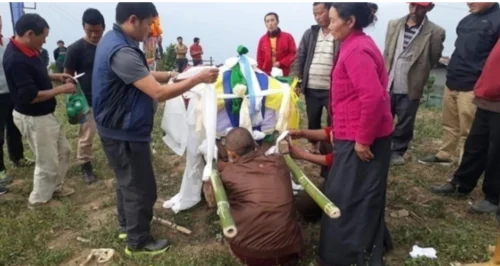
Performing ceremonies and rituals, they use bamboo widely. They make the polls carry the dead body, the bamboo they use in rituals collected from very selective places. They also make a container full of holy drink called ‘chi’. In Many Buddhist monasteries, they make the ceremonial place like platforms. The containers for containing and preserving the holy water also made with bamboo that are used during the festival like Bumchu which is celebrated in Tashiding monestery.
To present the offerings they use bamboo basket that keeps offering material. During different occasions like marriage, birth or funeral, these offering presented to deities in these bamboo made ritual vessels and during other household ceremonies as well.
Bamboo Tales
According to the myths, when the first Lepcha couple was formed by deities, deities gifted them bamboo to sustain the life. Variety of motifs are used on bamboo crafts represent protection, productivity, richness and peace. Sometimes you may notice the cosmological representation of Lepcha community on the baskets.
Motifs on Bamboo products
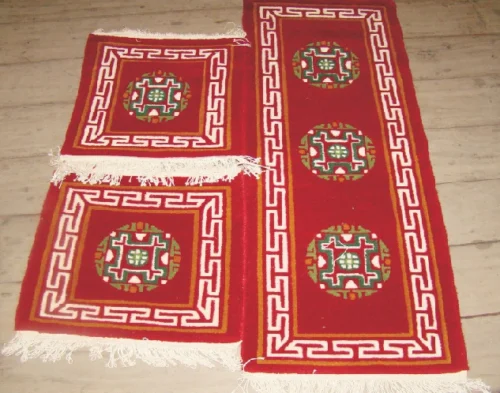
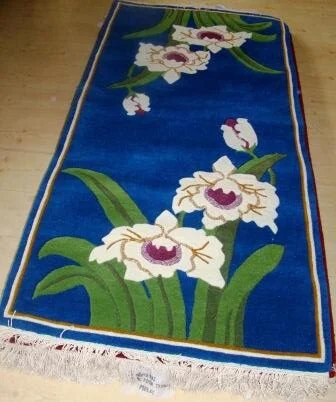
Different beautiful Motifs are used on the bamboo crafts such as mountains, rivers, and animals, flowing water, birds. Different motifs have their own meaning. mountains, rivers motifs are used to call ancestral spirits during the ceremonies. Motifs like birds, flowing water, and represent nature, peace, and balance. Sometimes it also includes geometric shapes like diamonds, zig- zag lines, believed to keep away evil spirits. The narration of myths, the bond between humans and the environment used on bamboo mats and baskets.
Ecological Focus
Sikkim banned plastic bags in 1998, It became the first state to do that. It has emerged as first completely organic state in the world. And in Lachen, they introduced bamboo water bottles, that represents eco-friendliness and helped to start their sustainable tourism. Bamboo containers, baskets, and mugs become the sustainable alternatives to plastic products in the market and household. Bamboo is grown without any chemical or pesticides, which is better solution for soil conservation. Bamboo crafts helped in the state’s rural local economy that reduces the stress of employment and immigration. This is also called Green Employment for the artisans.

Initiatives for preserving Bamboo Handicrafts
With the help of the Directorate of Handicrafts and Handloom, Sikkim government is taking many steps to help promoting bamboo handicrafts. They are using many ways from digital marketing, collaboration, to the preservation of art forms and motifs. Many training centers for bamboo crafts to learn, exhibitions, and fairs are organized to encourage and employ the artisans. In 2006–2007, the National Bamboo Mission was introduced as a centrally sponsored program. By implementing an area-based, regionally diversified approach and increasing the area under bamboo cultivation and marketing, the mission seeks to promote the sustainable expansion of the bamboo sector.
Many artisans of Sikkim are trying to promote bamboo handicrafts. Sikkimese artisan Indra Kari Subba established Khechuperi Bamboo House in 2016, a leading wooden handicraft and traditional bamboo handicraft in India, as he has a great desire to preserve this dying culture. Presently, his enterprise is producing more than 60 types of traditional bamboo products and souvenirs. Ren Jorden Lepcha received the prestigious Padma Shri award from the President of India for making and preserving the traditional bamboo hats of Lapcha and bamboo crafts.
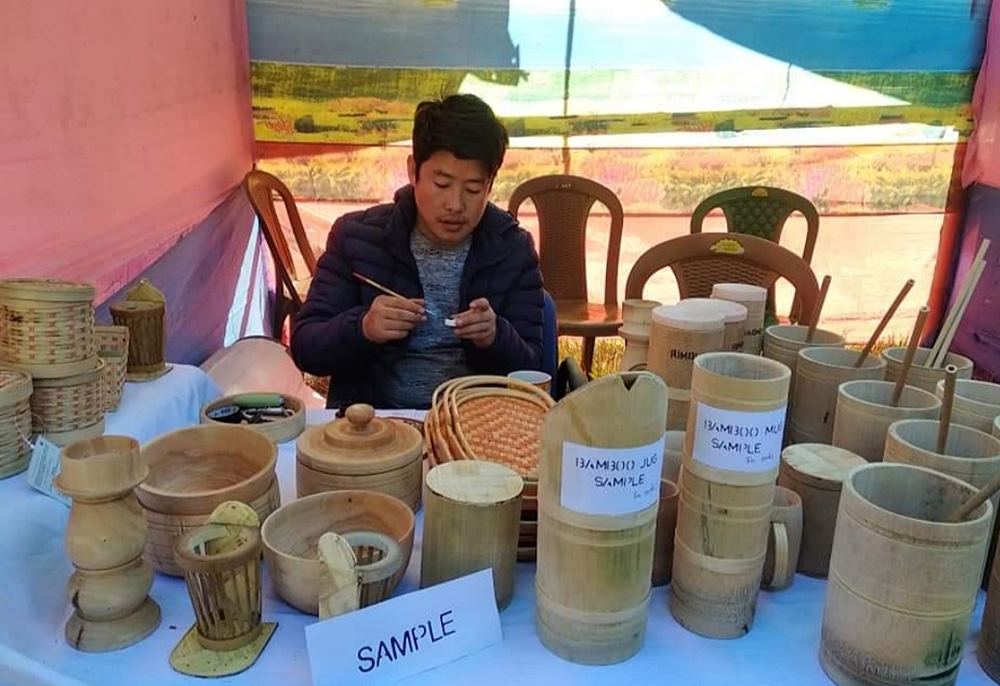
These initiatives aiming to conserve the traditional bamboo craft-making techniques. It is now helping providing employment to the local communities. This industry helps to encourage youth for local business and entrepreneurship in the state.
Challenges
Traditional methods are time-consuming. Artisans face many challenges. Young people seem less interested in learning traditional crafts in modern days due to lower income and recognition because of a lack of knowledge and awareness about the economic potential for bamboo industry. The inconsistency of the demand in the market, poor marketing and distribution channels, and the most important competition from synthetic or plastic substitutes are big challenges.
Conclusion
Bamboo is the symbol of ecological balance, also it represents myths and legends of Sikkim. To make sure these tradition is continued, this now depends on balancing conservation of this heritage and meeting modern demands. By strengthening institutional support, promoting the value of handicrafts, creating livelihood opportunities are integral to ensure that these bamboo handicraft remain relevant and important to the contemporary Sikkim and beyond.
References
- Asia InCH. (n.d.). Cane and bamboo of Sikkim – Encyclopedia of intangible cultural heritage. Retrieved from https://asiainch.org
- Bain, W. K. (n.d.). Bamboo tale: A case study from Dzongu Reserve Area of North Sikkim. ResearchGate.
- Deccan Herald. (2024, January 26). Sikkim’s bamboo hat maker Jordan Lepcha to receive Padma Shri award.
- Directorate of Handicrafts and Handloom. (n.d.). Cane & bamboo craft in Sikkim. Government of Sikkim.
- International Journal of Research and Technology Innovations (IJRTI). (n.d.). A study on livelihood of the bamboo based: Challenges and opportunities. Retrieved from https://www.ijrti.org
- Lepcha, M., & Lepcha, A. P. (2024). Indigenous bamboo technology promoting the socio-cultural life of the Lepchas in Sikkim. Asian Journal of Frontline Biological Sciences (AFJBS), 6(14), 4864–4872.
- Material Culture of the Lepcha, Inhabitants of Sikkim, India: An Anthropological Perspective. IJRSS, 2020.
- Sikkim 2016. (2016, March 15). Sikkim entrepreneur Chimib Ongmu Bhutia honored with prestigious Lokmata Ahilyab award [Facebook post].
- Tamang, D. K., Dhakal, D., Gurung, S., Sharma, N. P., & Shrestha, D. G. (2013). Bamboo diversity, distribution pattern and its uses in Sikkim (India). Himalaya International Journal of Scientific and Research Publications, 3(2), 1–8.
- The NE Stories. (2023, July 10). Bamboo souvenirs from Sikkim. Retrieved from https://www.thenestories.com/bamboo-souvenirs-from-sikkim